What the people believe
The Orthodox churches teach one thing and practise another. That is the verdict, and it is not an outsider’s verdict. It comes from the Church’s own books, which condemn these practices by name. It comes from her own synods, which ordered them abolished. And it comes from her own doctrine, which holds that what the people received unwritten and keep binds with the same force as Scripture. On that doctrine, the Church cannot treat what the people believe as a mere deviation from the teaching.
This piece sets the two sides next to each other, plainly. What the Church says. What the Church does. What the Church tolerates. What the believer believes and lives. And what follows from all four.
1. What the Church says
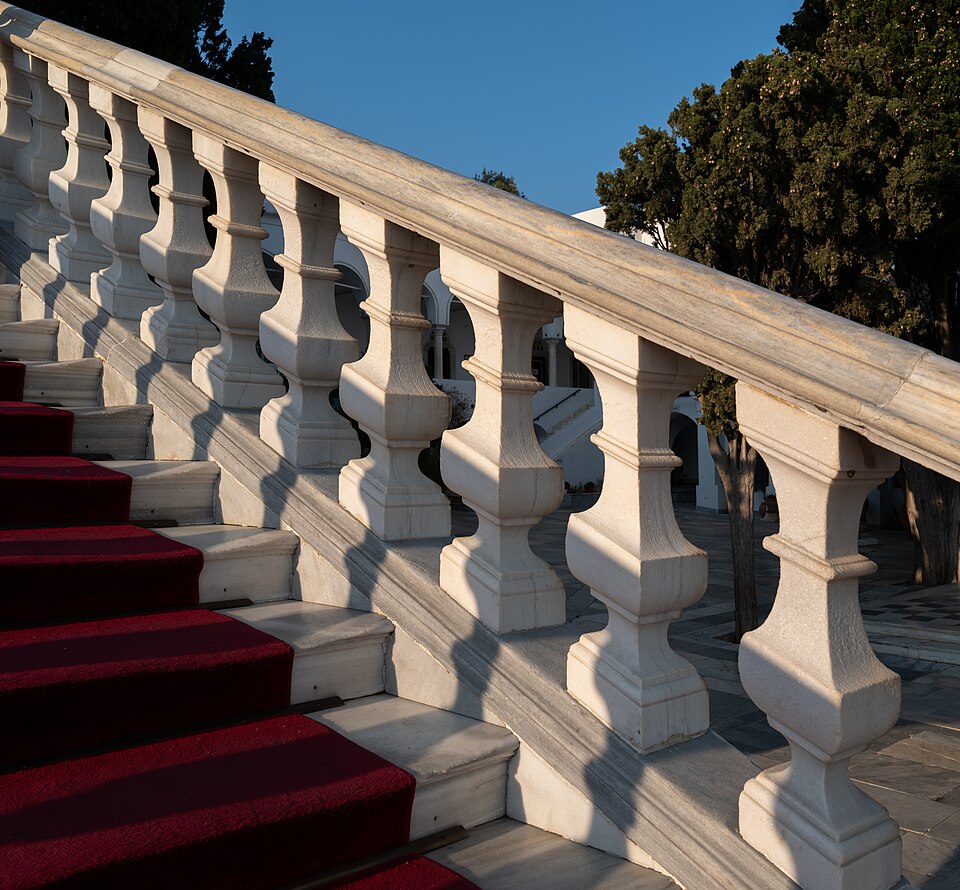
The Church’s own tradition makes the people’s practice binding. Basil the Great, in On the Holy Spirit, writes: “Of the beliefs and practices whether generally accepted or publicly enjoined which are preserved in the Church some we possess derived from written teaching; others we have received delivered to us ‘in a mystery’ by the tradition of the apostles; and both of these in relation to true religion have the same force.” The Encyclical of the Eastern Patriarchs of 1848 declares that neither Patriarchs nor Councils could introduce novelties, “because the protector of religion is the very body of the Church, even the people themselves, who desire their religious worship to be ever unchanged and of the same kind as that of their fathers.” As the piece on Scripture and Tradition on this site has argued at length: the people protect the religion, and what they received unwritten binds with the same force as the written word. Basil and the 1848 encyclical do not by themselves prove that every popular practice is official teaching. The argument of this piece is narrower, and it is stated as an argument: on the Church’s own reading of those texts, she cannot dismiss the people’s practice as external to her teaching. Three things must be distinguished: the apostolic unwritten tradition Basil describes, received custom, and folk practice. This piece refuses the escape that popular practice is mere folklore, because the Church herself makes the people’s tradition binding. So it does not examine a folk layer beneath the real teaching. It examines the teaching as the Church herself defines it.
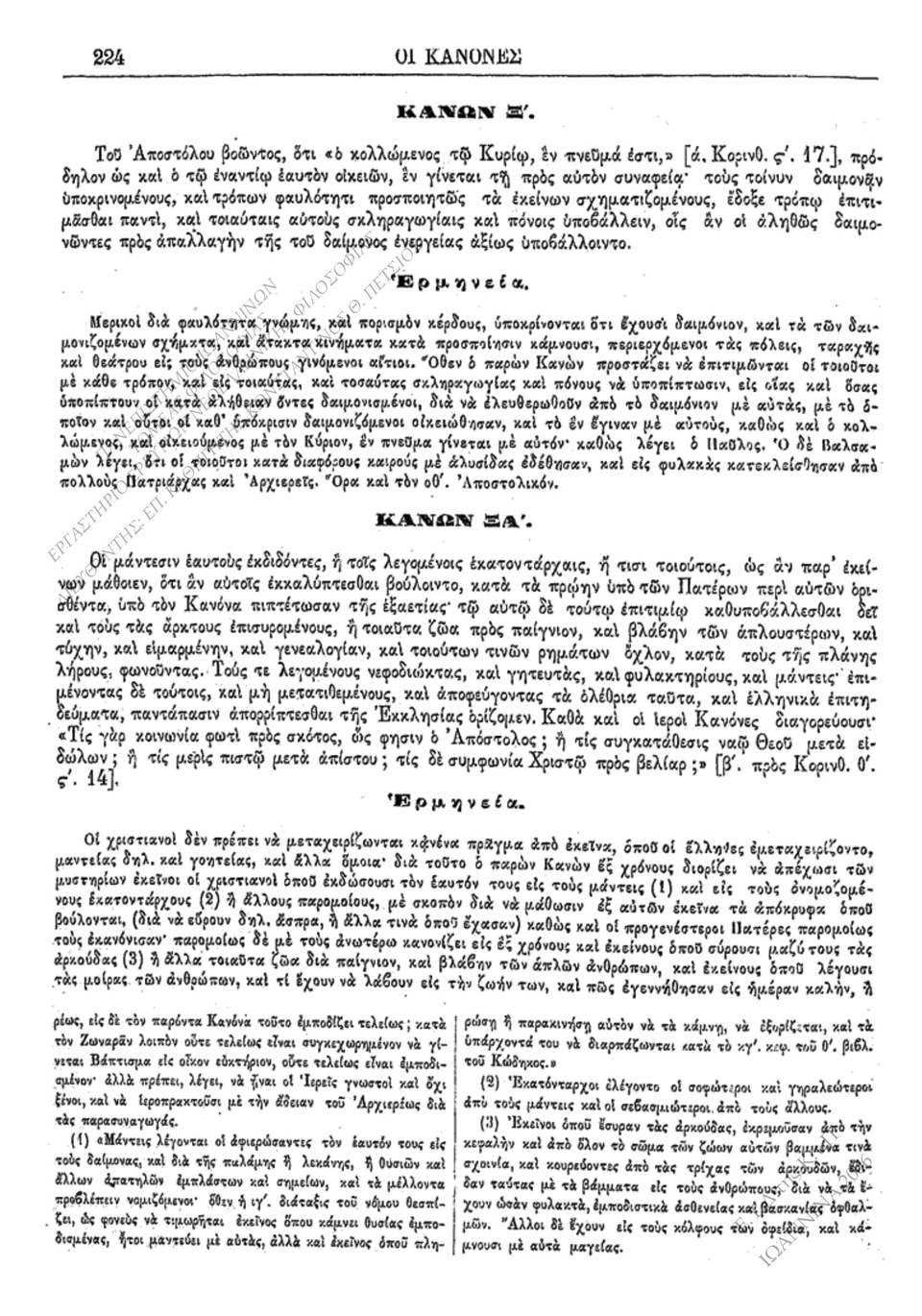
The same books condemn, in detail, the practices this piece will name. The Council in Trullo (692), in its Canon 61, decrees six years’ penance — exclusion from Communion for six years, not a prison sentence — for those who consult soothsayers and fortune-tellers “in the hope of learning from them whatever may be revealed to them.” The same penalty falls on bear-leaders (men who led dancing bears) and on those who tell “the fortune, and fate, and genealogy” of the populace. The “cloud-chasers (weather-prophets) and enchanters and amuletics (amulet-makers) and soothsayers” who persist are expelled from the Church altogether — “For what communion hath light with darkness?”
Nicodemus, whose Pedalion is the Church’s own commentary on the canons, adds that the penalty is for laymen. Clergy who do such things “would surely be deposed from office, according to Balsamon and Zonaras.” The Concord he prints beside the canon — a collection of parallel canons — gathers the earlier decisions. The Council of Ancyra (314) sets five years for divination and for bringing wizards home “to discover the bewitchments.” Basil sets six. Laodicea’s Canon 36 “expressly throws out of the Church those who wear amulets, and prohibits clergymen and priests from becoming wizards, or enchanters, or mathematicians, or astrologers, and from making amulets.”
The Church’s own book also knows faked holiness. Canon 60 penalises those who pretend to be demon-possessed for profit. They are subjected to the hardships inflicted on the truly possessed. Balsamon reports that such persons were at various times chained and shut up in prisons by many Patriarchs and Bishops.
The ascetical tradition is equally plain about wonders, dreams and visions. John Climacus, in The Ladder, warns beginners: “he who believes in dreams is like a person running after his own shadow and trying to catch it.” And: “The demons of vainglory prophesy in dreams… A demon is often a prophet to those who believe him, but he is always a liar to those who despise him.” Ignatius Brianchaninov, in On Prelest, writes that “a dream in itself cannot and should not have any significance.” Demons, he says, “begin to appear in the form of angels of light, in the form of martyrs and saints, even in the form of the Mother of God and of Christ Himself,” and “even paying attention to them is strictly forbidden.” His ground is Scripture itself: “They have Moses and the prophets; let them hear them” (Luke 16:29).
On icons, the Second Council of Nicaea (787) decreed that they receive “due salutation and honourable reverence, not indeed that true worship of faith which pertains alone to the divine nature,” because “the honour which is paid to the image passes on to that which the image represents.” Basil’s sentence behind it — “the honour paid to the image passes on to the prototype” — was written about the king and the king’s image, and about the Son as the Father’s image by nature. Later theology applied it to painted icons, and it should be stated so. Taken at face value, the principle points one way. Two icons of the same prototype stand in the same relation to that prototype. No conciliar or patristic source ranks one panel above another, assigns a disease to a particular piece of wood, or teaches that grace is stored in one copy and not the next. The St Nina Orthodox Church (OCA) catechism on wonderworking icons puts the teaching plainly: “the icon is not a battery of power and the grace is not in the wood. What is being said is that God chooses to answer at particular places, as he always has… Superstition begins the moment an icon is treated as working independently of the Person it depicts.”
Scripture’s word is not ambiguous. “There shall not be found among you anyone who burns his son or his daughter as an offering, anyone who practices divination or tells fortunes or interprets omens, or a sorcerer or a charmer or a medium or a necromancer or one who inquires of the dead, for whoever does these things is an abomination to the Lord” (Deuteronomy 18:10–12). Isaiah gives the reason and the alternative in one breath: “And when they say to you, ‘Inquire of the mediums and the necromancers who chirp and mutter,’ should not a people inquire of their God? Should they inquire of the dead on behalf of the living? To the teaching and to the testimony! If they will not speak according to this word, it is because they have no dawn” (Isaiah 8:19–20). In Ephesus, “a number of those who had practiced magic arts brought their books together and burned them in the sight of all. And they counted the value of them and found it came to fifty thousand pieces of silver” (Acts 19:19). Nicodemus himself cites this burning against the magic books of his own day — as Acts 19:18, a slip of one verse that this piece notes rather than repeats. And the very text Canon 61 quotes against the amulet-makers is Paul’s: “What fellowship has light with darkness? What accord has Christ with Belial? Or what portion does a believer share with an unbeliever? What agreement has the temple of God with idols?” (2 Corinthians 6:14–16).
That is what the Church says, stated fairly, from her own sources. The gap is not that Orthodoxy teaches fraud. She does not. Her books condemn the practices in detail, and her Fathers command caution toward every wonder. The question is whether her own test is applied. Now look at what she does.
2. What the Church does
Her own commentary names the practices as current. Canon 61 condemns the practices. Nicodemus’s commentary — written for priests and confessors — names them in detail as what Christians were doing. The bear-leaders sheared the bears’ hair and gave it to people “so that they might have them as amulets, hindering illness and the evil eye.” The amulet-makers wrapped φυλακτά (amulets) with silk thread, writing invocations of demons. The wearers hung them from their necks “to have them as a hindrance to every evil.” The enchanters mixed invocations of demons with David’s Psalms, the names of the saints and of Mary herself. Nicodemus quotes Chrysostom against them at length: even if they invoke the Holy Trinity, the saints and the sign of the Cross, Christians must shun them — “do you not blush, Christian, to bring into your house drunken old women out of their minds, but you say these old women say nothing but the name of God? … these old women, being Christians, misuse the name of Christ, and do the works of the Greeks, because the demons also said the name of Christ, but they were demons and evil; therefore Christ rebuked them and drove them away.”
Priests read to the sick the so-called “paper of Gialou” and the “Solomonic book” — magic books read over the sick, full of invocations and names of demons to make enemies or their animals die. Such books, Nicodemus says, must be destroyed and burned, “as the believers in Ephesus burned magic books worth fifty thousand pieces of silver.” And the Concord lists those who divine with barley, with beans, or by casting coals; shepherds who put a little bone in the feet of sheep to increase the flock; those who pass their children through hoops. Nicodemus wrote about 1800. The canon condemns the amulet. The commentary lists the amulets.
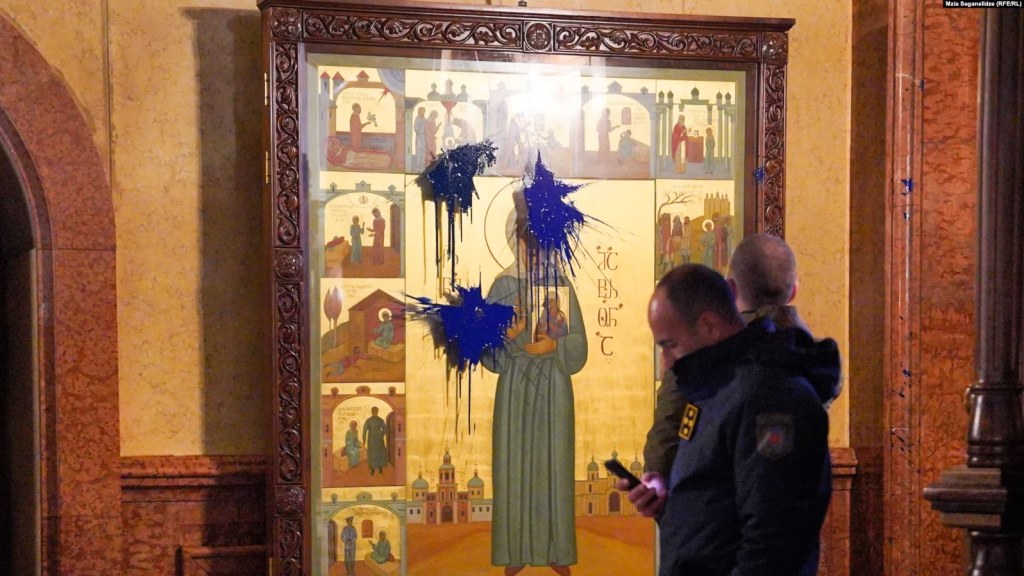
Tbilisi: the miracle-meeting the Patriarchate said lacked evidence. In January 2024 a large icon of St Matrona of Moscow in Tbilisi’s Holy Trinity Cathedral was found to depict, in a frieze scene of the saint’s life, Joseph Stalin receiving her blessing — the non-canonical legend that Matrona blessed Stalin in the Second World War and prophesied Moscow’s salvation. The sequence is on record. The icon had been accepted into the cathedral. The Church’s public-relations head first dismissed the concerns, arguing that Stalin’s depiction did not make him an object of adulation, any more than Diocletian on an icon of St George. An activist threw blue paint on the glass-covered icon. The icon was cleaned and moved to a more prominent position. Then, on 11 January 2024, the Patriarchate of Georgia issued a statement, published by Civil Georgia, in these words: “Since the meeting of I. Stalin with St. Matrona is not included in the canonical text of her life due to insufficient evidence and is not recognized by the Russian Church, which canonized her and conducted a special study on this issue, it is necessary to change the mentioned episode and consider other details related to the canonicality of the iconography.” The Patriarchate called on the donor to make the changes, “or it will take it upon itself to make the necessary alterations.” This is the one case in this piece where a patriarchate put in writing that a depicted miracle lacked evidence and ordered the image changed. But the order came after the image had been accepted, defended, cleaned and promoted — and it ordered the episode altered, not the icon removed. The intervention is real, and this piece credits it. So is the order of events. The test was applied only after the public controversy. The faithful who defended the icon were defending what their own Patriarchate then declared uncanonical. The Georgian original of the statement was not read for this piece; the quotation follows Civil Georgia’s publication of it.
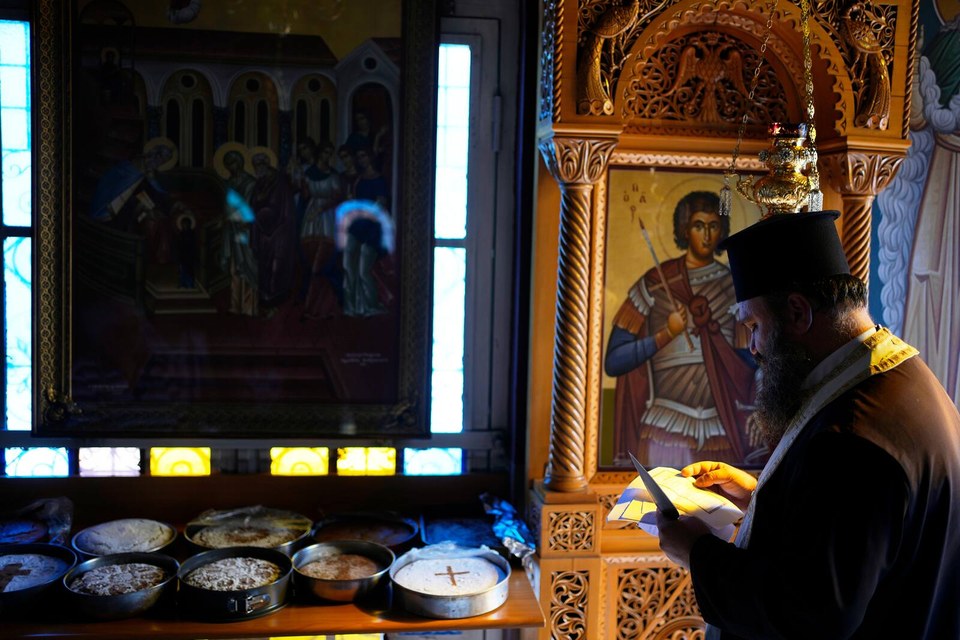
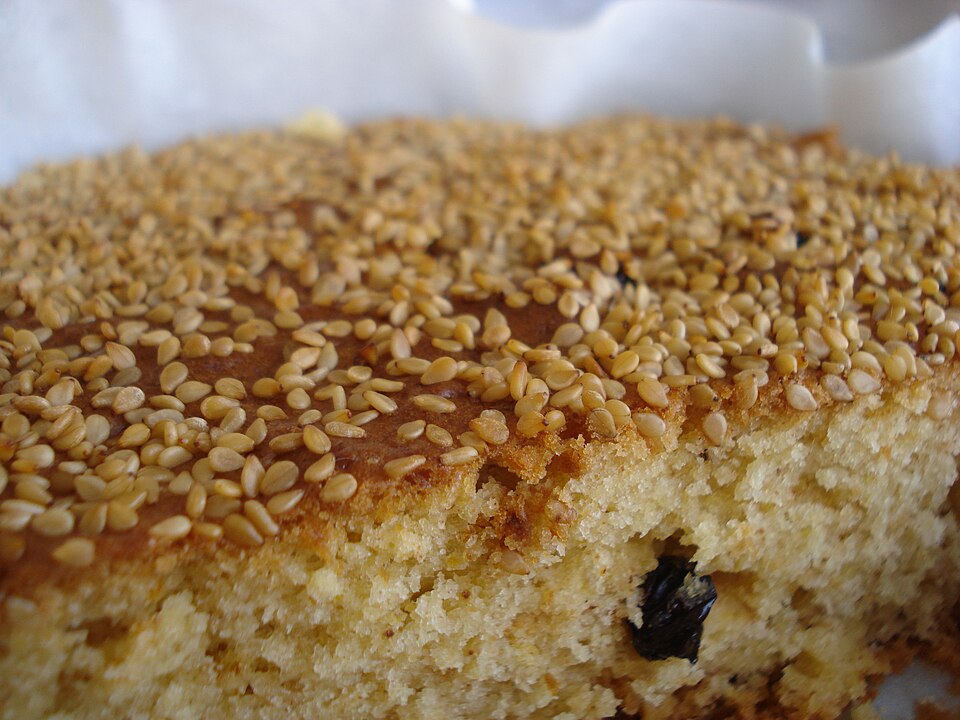
Phanourios: the saint who does not exist, and the cakes the priests bless. According to a 1947–48 dialogue in the journal Ekklesia, the Church of Greece twice encyclicalised that “a Saint Phanourios does not exist and that churches should not be built in his name.” The encyclicals are known through that dialogue, and this piece attributes them so; their texts and dates were not read. Archbishop Meletios of Athens also forbade consecrations to him. Hagiographers have called him a fabricated saint — an epithet of St George detached into a separate figure. Yet churches now bear his name. And every 27 August priests bless thousands of Phanouropites, the cakes baked for the saint who finds lost things. The Associated Press reported in August 2026 on the thousands at the Church of St Fanourios in Ilion, Athens, bringing cakes and petitions — from misplaced keys to bankruptcy and parking. Parishes teach the faithful to “pray to Saint Phanourios especially to help recover things that have been lost.” One parish commissioned an icon because he is the lost-things specialist. The devotion extends to health, fertility and finding a spouse. Canon 61’s Interpretation condemns consulting diviners “in order to find money or other things they have lost.” The saint the Church’s own encyclicals said does not exist is now the specialist for the very need the canon names. And the cakes are blessed by her own priests.
3. What the Church tolerates
Tinos: the national shrine and its president’s unease. The icon of the Annunciation at Tinos was found on 30 January 1823, “on the very first days after the creation of the modern Greek State… henceforth Our Lady of Tinos was declared the patron saint of the Greek nation.” The shrine’s own site states the frame plainly: “the history of the Holy pilgrimage and the modern history of the Greek State run parallel… the erection of the grand church was the first large architectural project of the newly-established Greek state.” The shrine is run by the Pan-Hellenic Holy Foundation of Evangelistria, a legal entity under public law supervised by the Ministry of Education and Religious Affairs and chaired by the Metropolitan of Syros-Tinos. It does real charitable and educational work, and this piece states that fairly. Some pilgrims crawl some 800 metres from the port to the church, on a carpet laid for the purpose. The icon itself is now almost completely encased in silver, gold and jewels, and the votives hang over it. No official pilgrim count was found, and no audited figure for the Foundation’s wealth was read; this piece gives neither. What exists is the testimony of the shrine’s own president. Metropolitan Dorotheos II of Syros-Tinos, president of the Foundation, said in a published interview that the tama — the silver votive left in exchange for a favour — is a «πελατειακή», a client-like exchange: the patron-client bargain, the gift given and the favour expected in return. He said the Fathers judged such offerings remnants of a practice balancing on the borders of paganism and Christianity. He said no synodal or other prohibition was able to uproot it. And he said he himself has not seen a blind man see, a paralysed man walk, or a sick man healed there before his eyes — only what he called inward miracles. The interview is quoted from its published form; the original was not re-read for this piece. The hierarchy’s own unease, at the nation’s own shrine, in the president’s own words.
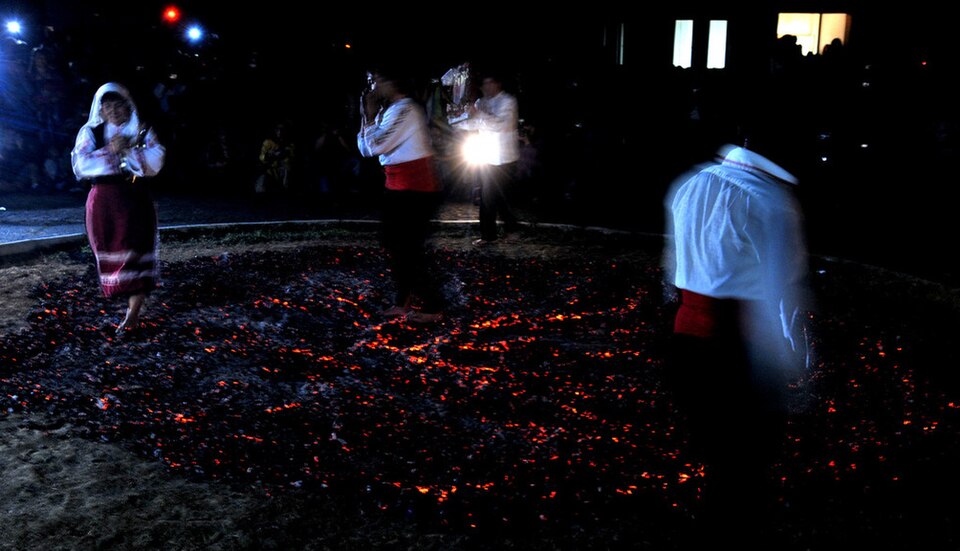
The Anastenaria: abolished in 1947, never excommunicated in 1977. The fire-walking rite of the Anastenaria — the ecstatic dance and barefoot walk over coals on the feast of Sts Constantine and Helen, the icons of the two saints carried over the fire — has the clearest dated paper trail of any case here. The synodal originals were read for this piece through Dimitris Xygalatas’s quotations of the file numbers, not first-hand, and are attributed so. In 1947 the Holy Synod of the Church of Greece declared, in Xygalatas’s quotation of file 1531/778–26/6/1947, that “this pagan custom, originating from the orgiastic feasts of Dionysus, should be abolished, with the use of any spiritual means that the Church has at Her disposition.” The Dionysian origin is the Synod’s stated reason; scholars contest it, and this piece presents it as the Church’s reason, not as established fact. Then came the measures: a similar encyclical in 1952; icons confiscated in 1954; at Langadas in 1954, fire-walkers refused Communion, marriage, and the roles of best man and godparent unless they signed an affidavit never to fire-walk again. In 1971 a court judged against the Church — the icons were private property, and the Church paid costs. In 1977 the Holy Synod ordered a wedding permit issued “as the fire-walkers have never been excommunicated or detached from the Church” (file 5144/77/1849 NK, in Xygalatas’s quotation). The rite continues openly on the saints’ feast in Greece and Bulgaria — the Greek Anastenaria and the Bulgarian Nestinarstvo are the same rite, kept by the same Thracian villages on both sides of the border. The Bulgarian Nestinarstvo was inscribed on UNESCO’s intangible-heritage list in 2009. Condemned as pagan. Pursued with confiscations and refusals. Thirty years later the Synod said the fire-walkers had “never been excommunicated.” That is not the same as withdrawing the 1947 condemnation — and the rite is performed still, with the icons carried over the coals. The canon against the pagan festivals is Canon 62, the next canon after Canon 61. The Church wrote the rule, applied it, and then, thirty years later, said the people it had pursued had never been excommunicated at all.
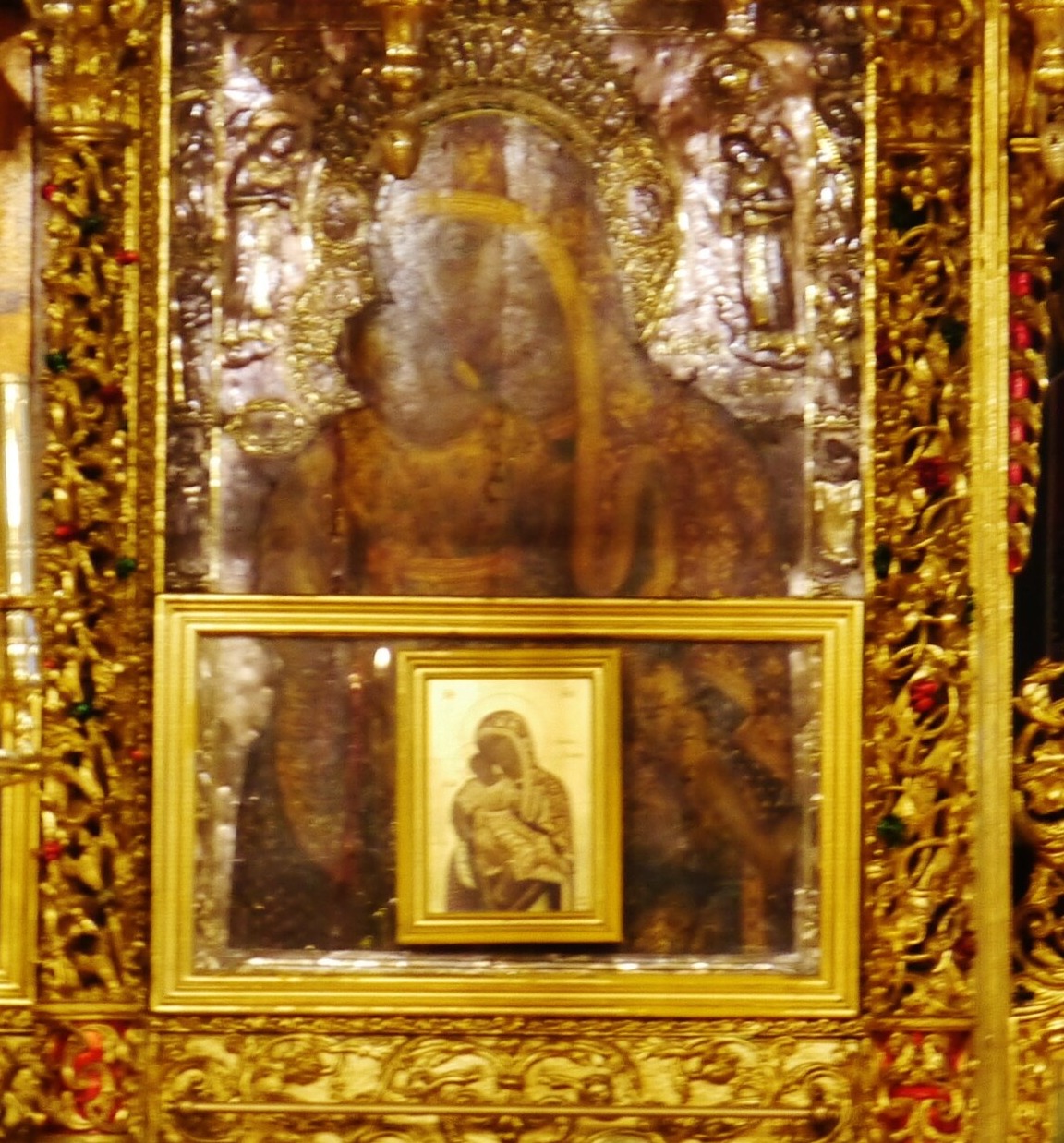
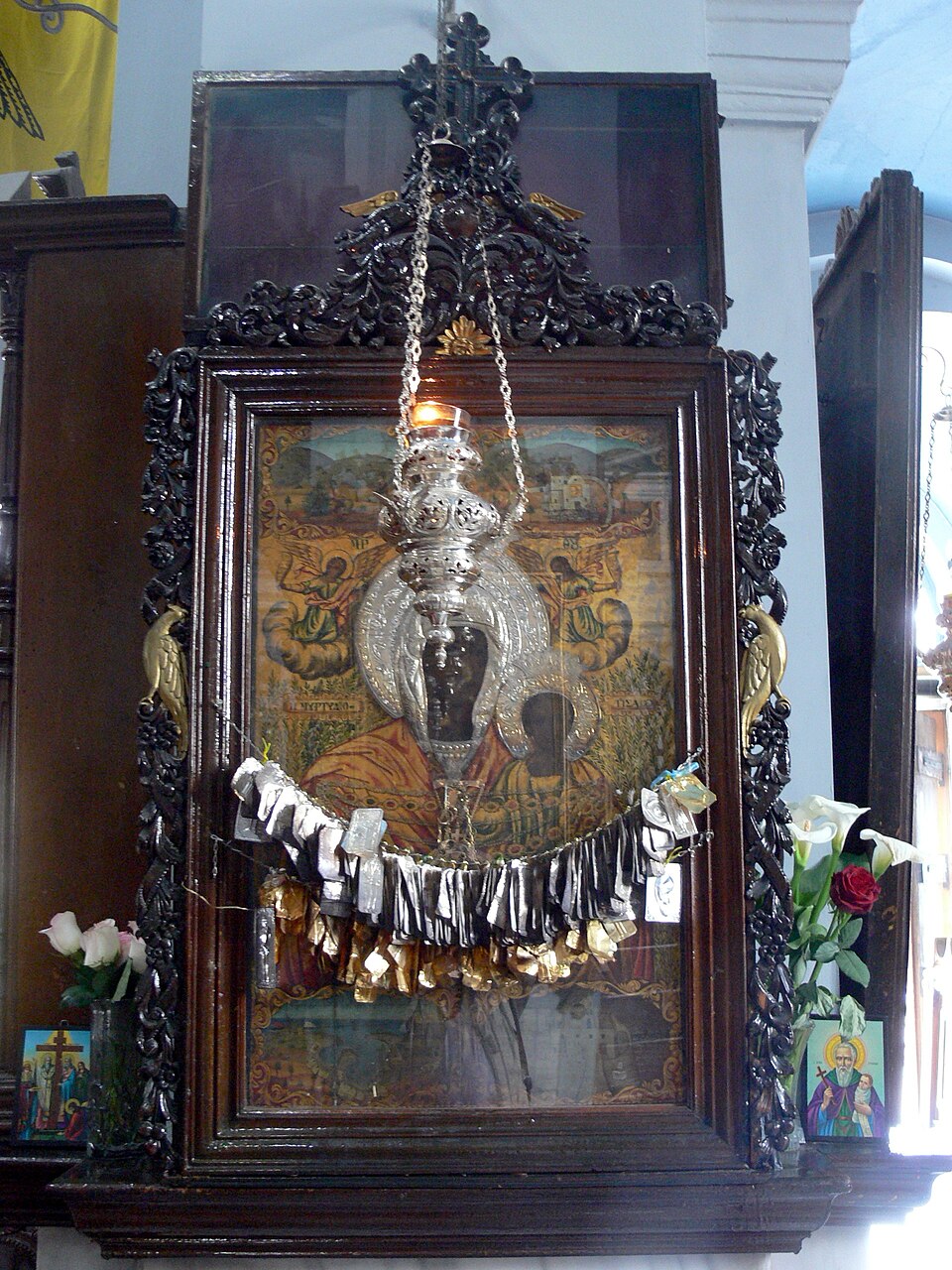
Kykkos: the icon no one may see. The wonderworking icon of Mary, whom the Orthodox Church calls the Mother of God, at Kykkos Monastery in Cyprus — the Kykkiotisa — is kept covered. The Orthodox Church in America’s own page states that it is “covered by a half shroud from the upper left corner to the lower right, so that no one is able to see the faces of the Mother of God and the Divine Infant,” while “those afflicted by every sort of infirmity flock to the monastery… and they receive healing according to their faith” — and not only the Orthodox. That quotation is exact, and the covered faces are corroborated beyond the OCA: by VisitCyprus’s official Kykkos publication, by the monastery museum’s own listing of a votive cover of the holy icon, and by scholarship (Zaprzalska, Dumbarton Oaks Papers 78, 2024; Annemarie Weyl Carr). One monastery site, Obitel-Minsk, reports a visible eighteenth-century replica standing beside the covered original. No stronger source for that replica was found, and this piece states it as a report, not a fact. Stories that whoever looks on the faces will be blinded circulate in secondary sources; this piece does not rely on them. The photograph below shows the icon behind glass, with the silver revetment around it and a small visible icon beneath it. It does not by itself show the covering; the covering rests on the sources named. The case is the cleanest test of the prototype principle the Church herself teaches. If the honour passes to the prototype, the covered original and any visible copy stand in the same relation to Mary, whom the Orthodox Church calls the Mother of God. What the practice teaches the people is the opposite: this panel, behind this covering, is where the healing is.
The blessing menus and the specialist saints. The next cases need no synod and no scandal, because they are taught from above. Official parish pages offer blessings for homes, businesses, vehicles, travel, students before exams, the sick, before surgery, expectant mothers and new beginnings — “A blessing is not simply a custom or tradition.” One parish authorises parents to bless children and cars with holy water without clergy. Another packs holy water for dorm rooms. The Church of Cyprus’s own page lists the epithets of Mary, whom the Orthodox Church calls the Mother of God, by the need each is sought for: more than five hundred names. Panagia Iamatiki of Arakapa is «ξακουστή για την θεραπεία των ακατάσχετων αιμορραγιών» — “famous for the healing of unstoppable haemorrhages.” Panagia of Glossa is sought for children’s speech problems. Panagia Galaktotrofousa, “Milk-nourishing,” is sought by women without milk, and undergarments are left as votives. The Vatopedi Pantanassa is sought for cancer; the Greek wording «ειδική χάρη», “special grace,” is reported from the monastery’s guide tradition and stated so. St Parthenios is presented on an Orthodox site as “patron saint against cancer,” with first-person testimony of tests turning negative “without drugs, without doctors” — published testimony, not verified medical fact, and attributed as testimony only. None of this is folk religion practised against the Church’s teaching. It is published on the Church’s own pages, blessed by her own priests, and taught to children at her own camps. The defence that this is the people deviating from the books fails here, because here the books — the parish pages, the diocesan sites, the shrine foundations — are doing the teaching.
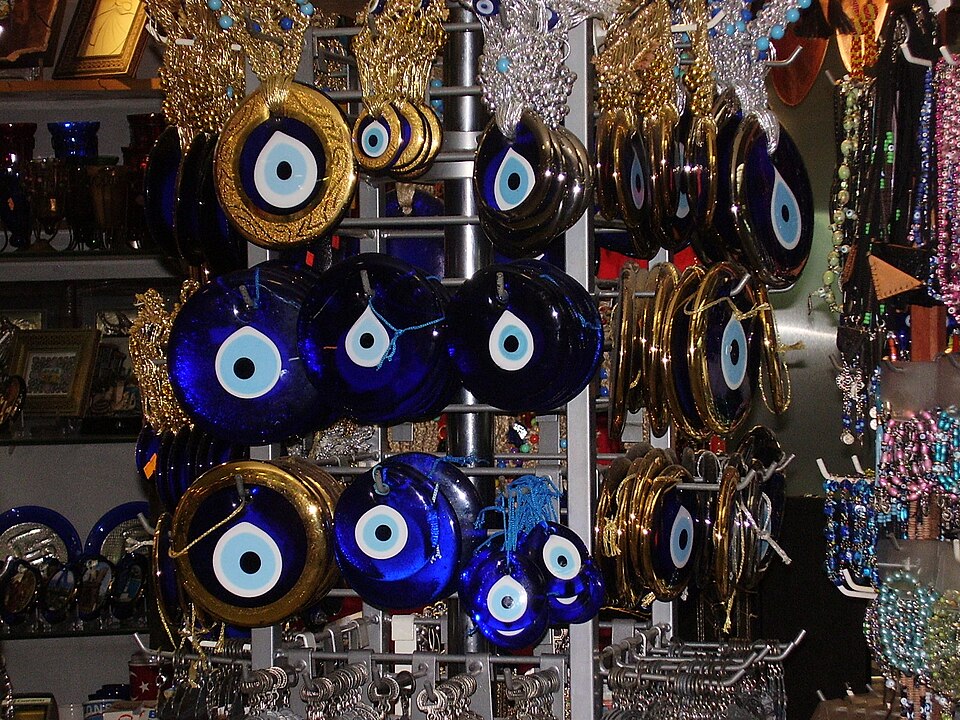
The evil eye today. The modern continuation of what Nicodemus named is documented. The folk rite first: ξεμάτιασμα (the folk rite against the evil eye) — oil dropped in water, the clove that pops, the prayer that must be taught by a man “otherwise it will not work” — and the blue-eye mati beads worn, hung, and pinned to babies, against the Church’s own prohibition. Archbishop Dmitri of Dallas, in an OCA catechism, laments that “some Orthodox Christians do not know that the Church, in the Bible, the canons and in the writings of the Fathers, condemns the practice of Astrology.” Elder Cleopas, following Nicodemus, lists palm reading, coffee grounds, cards, dream interpretation and the zodiac. A Pan-Orthodox conference on heresies and para-religions, concluded in November 2026, is reported to have named “card reading, palmistry, coffee-ground reading, dream interpretation, numerology and horoscopes” — its conclusions are known from a summary, and this piece states them so.
The Church’s own prayer second. The Church does not teach that baskania is mere superstition. Her own Small Euchologion contains a priestly prayer “when afflicted by the evil eye” — a prayer dating, on the scholarly evidence, to the mid-eighteenth century, though it circulates under Basil the Great’s name; the ascription is traditional, not historical. The liturgist Ioannis Foundoulis cautions that the prayer is not an “anti-bewitchment vaccination” and that clergy must teach that prayer is not magic.
Whether baskania is real, third — and here the Church’s own texts and those close to her disagree with each other. One GOARCH exposition says vaskania is “essentially rejected as contradicting the concept of divine providence,” that “the Church forbids people to go to ‘readers,’” and that the secret oil rite “verges on magic” — yet concedes that “the prayers of the Church to avert the evil eye are… a silent recognition of this phenomenon.” Another Orthodox source teaches it is “a real spiritual phenomenon.”
Who may pray, last. The second source holds that only a canonical priest may pray against it, and that “under no circumstances should a Christian wear… ‘evil eyes.’” The folk rite is condemned, in short, because laypeople perform it. The same affliction, prayed against by a priest with the Church’s own prayer, is recognised as real. The canon throws the amulet-wearer out of the Church. The prayer book prints the prayer against the thing the amulet was worn against. Both books are the Church’s.
4. What the believer believes and lives
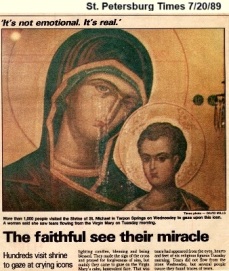
Tarpon Springs: the photograph that wept. In 1989, in Tarpon Springs, Florida, a souvenir photograph of the weeping icon of Chicago was presented as itself weeping. The investigation was first-hand: Gary P. Posner compared press photographs of the picture across five days and found the “tear” pattern identical, dot for dot — the mark of an applied substance, not of tears. The promoting priest was removed after arbitration by the Greek Orthodox Diocese of Atlanta; that detail rests on the investigator’s account and press reporting, and is attributed so. No laboratory report was produced by anyone, in this case or, on the evidence found, in any other. The Church’s Fathers command that visions not be believed hastily. Her canon punishes feigned wonders. Her own 1721 precedent — Peter the Great’s Spiritual Regulation charged priests, bishops and the new Holy Synod with investigating “false miracles from holy icons,” priests to report anyone who “imagined… a false miracle, or contrived it hypocritically, and then broadcast it so that the simple and unreasoning people take it for the truth” — is reported from a scholarly abstract, and stated so. What the research found is an absence. No standing Moscow “Synodal Commission on Miracles” could be verified despite repeated searching. No published Church of Greece, OCA, ROCOR or Antiochian procedure for investigating weeping icons was found — only ad-hoc episcopal action, of which Tbilisi is the honourable example. The honest question is not whether the Church teaches fraud. It is what kind of testing her own Fathers’ standard requires, and who is doing it.
The tamata as bargains. At Chania Cathedral the tamata hang thick before the icon — silver plaques left in exchange for favours asked or received. At Tinos the icon is encased and covered with votives. The shrine’s own president calls the tama a client-like, two-way exchange, on the borders of paganism and Christianity, and says no prohibition was able to uproot it. The believer who leaves the silver plaque is not practising a private superstition in a corner. He is doing what the shrine’s own president describes, at the nation’s own shrine, on a carpet laid for the purpose.
The fanouropita as exchange. Every 27 August the believer bakes the cake, brings it to the church of the saint who does not exist, and leaves a petition with it — for misplaced keys, for bankruptcy, for parking, for health, for a spouse. The priest blesses the cakes. The exchange is the devotion: the cake given, the favour asked. Canon 61 condemns consulting diviners to find lost things. The canon stands in the book. The cakes stand on the table.
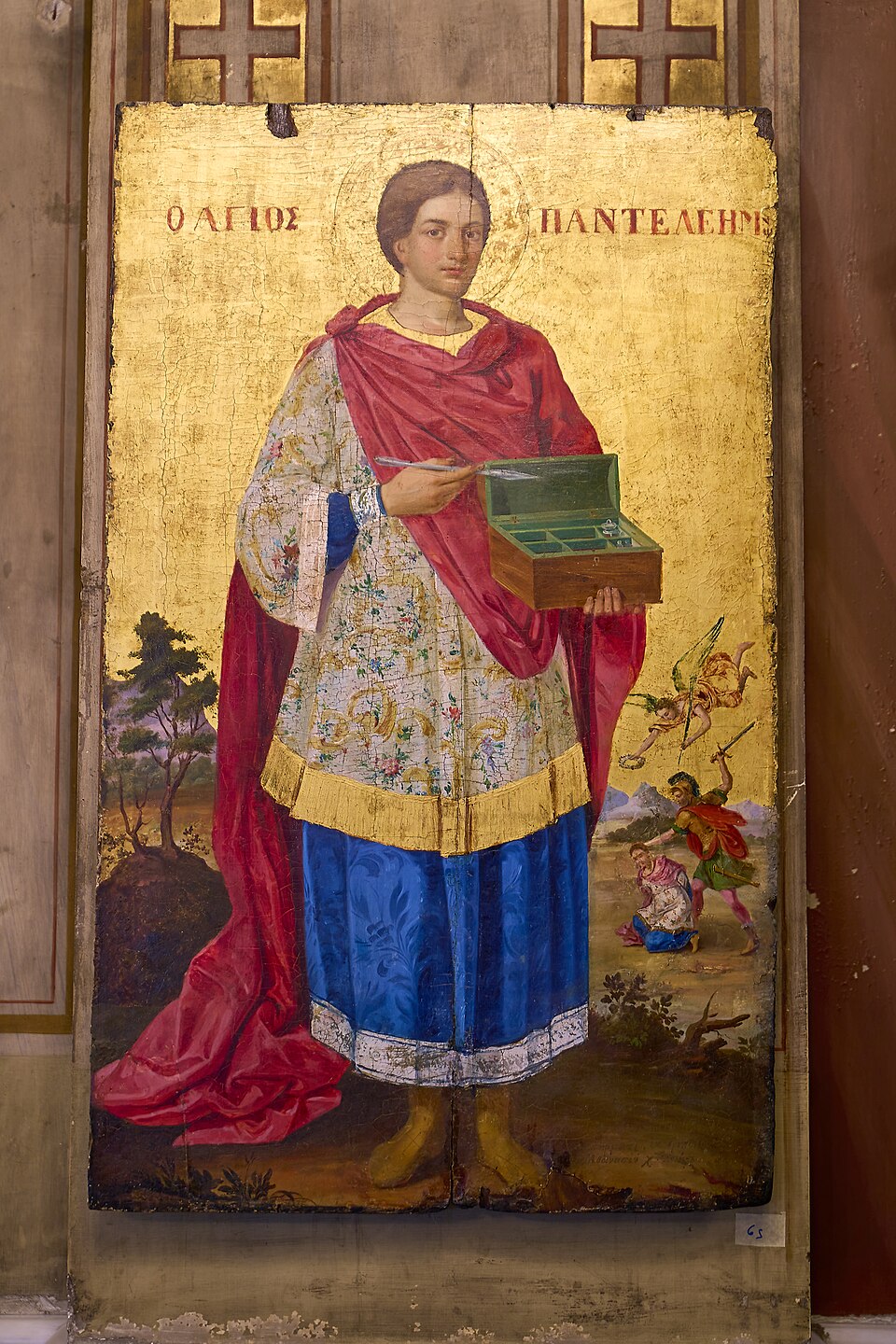
What the icons show. The tradition’s images are evidence, and on this topic they show the specialisation plainly. The specialist saints are painted with their speciality in their hands. Panteleimon the healer carries the compartmented medicine box, with the long-handled spatula — the attribute shows the speciality. Haralambos, protector against the plague, is pictured holding the plague itself — a chained demon — by the hair, striking it with his episcopal cross: the disease as a creature the saint physically restrains. Barbara carries her three-windowed tower and is sought against sudden death; the smallpox role in Greek folk practice is a separate tradition, and this piece does not merge them. Nicholas the sailor’s patron is shown, in the Orthodox type, as a bishop with the Gospel; the three gold balls familiar in the West are a Western attribute from the Golden Legend and the pawnbrokers’ sign, and are not presented here as Orthodox. Phanourios is painted as a soldier holding a candle — the finder of lost things, pictured with the light he searches by.
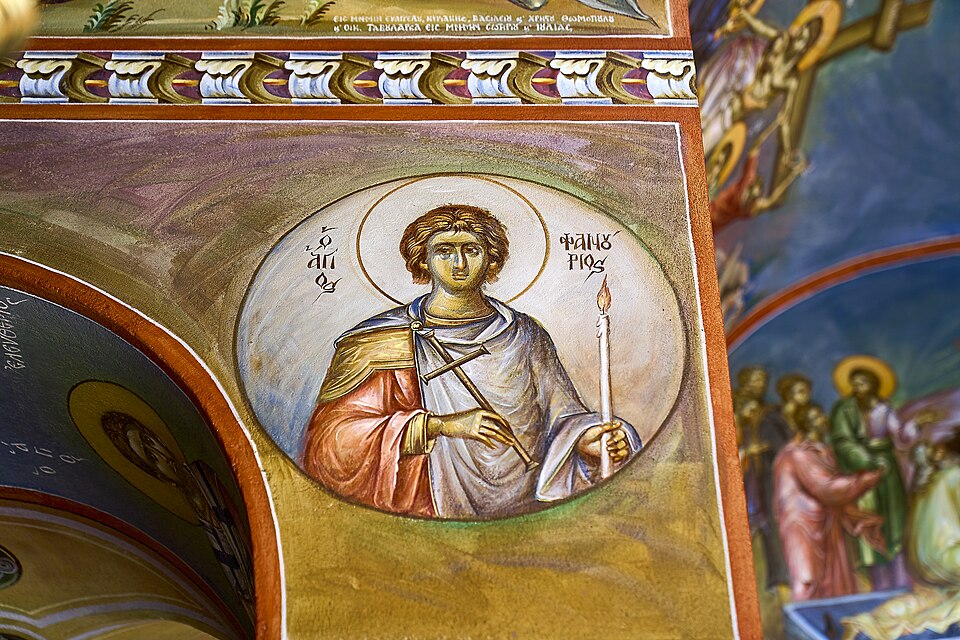
And what does the tradition never picture? No Orthodox icon or fresco of Revelation 22:8–9 — John falling before the angel, and the angel refusing: “Worship God” — was found in this research. This piece claims only what was found: no image of the refusal in the sources surveyed. No image was found of a believer refusing a folk practice, or of Christ or a saint rebuking icon-veneration; the iconoclasts destroying icons, in Triumph of Orthodoxy imagery, are a different subject and are not conflated with it. The visual tradition embodies the practice exactly: saints with their specialities in their hands, icons covered in the votives of the answered and the hoping — and no picture of the angel’s “Worship God,” and no picture of the believer who says no.
5. The conclusion
The pattern, stated once, from this piece’s own material. The canon condemns the amulet, and the commentary lists the amulets. The synod abolishes the fire-walking, and thirty years later declares the fire-walkers were never excommunicated. The encyclicals are said to deny the saint exists, and the priests bless his cakes. The Patriarchate orders the icon changed, after it was cleaned and promoted. The shrine’s president calls the votive a client-like exchange bordering on paganism, and the pilgrims keep crawling.
Over it all stands the Church’s own doctrine. The people’s unwritten tradition has “the same force” as the written word. “The protector of religion is the very body of the Church, even the people themselves.” The reply comes quickly: this is folk piety, not the teaching; the books say otherwise. It fails on the Church’s own terms, for a reason specific to this case. The books that condemn the practices and the doctrine that makes the people’s practice binding are the same books. The Church cannot both claim the people’s tradition as her own and disown the people’s religion as folklore. She has made the people’s tradition binding by her own doctrine. She must then answer for what the people practise.
So the Church contradicts herself, or lies, or compromises, or exploits. She condemns in her books what she practises, tolerates and promotes at her shrines. Judged by her own test — Basil: traditions from the people are binding; the 1848 encyclical: the people are the protector of the religion — she cannot disown the people’s practice as folklore. And her own canon condemns it.
Scripture’s test has not moved. “Should not a people inquire of their God? Should they inquire of the dead on behalf of the living? To the teaching and to the testimony!” (Isaiah 8:19–20). The Ephesians burned their magic books in the sight of all, fifty thousand pieces of silver’s worth (Acts 19:19) — Nicodemus himself holds that burning up against the magic books of his day. The question this piece leaves with every Orthodox reader is the one the Church’s own canon asks: “What fellowship has light with darkness? What accord has Christ with Belial? What agreement has the temple of God with idols?” (2 Corinthians 6:14–16). The Church knows the rule. Her own people’s practice does not keep it. The door stands open to every reader who wants to test the practice by the Scripture the Church herself says she upholds.
Sources. Scripture quotations follow the English Standard Version, verified at BibleGateway (Deuteronomy 18:10–12, Isaiah 8:19–20, Acts 19:19 and 2 Corinthians 6:14–16 re-verified for this piece; Luke 16:29 and Revelation 22:8–9 verified in the research pass). The rule: Basil the Great, On the Holy Spirit 27.66 (Jackson translation, NPNF 2nd series vol. 8) and the Encyclical of the Eastern Patriarchs (1848), §17, are quoted as established in the published Scripture and Tradition piece on this site; neither was re-opened against its primary for this piece. Quinisext Canons 60 and 61, with Nicodemus’s Interpretation and Concord, were read first-hand in Cummings’s The Rudder (Pedalion) (councils_ecumenical_rudder.txt, lines 1181–1185); Laodicea Canon 36 is quoted from Nicodemus’s Concord there. The Greek text of Canon 61 in the 1886 Pedalion (printed pp. 224–225) was read visually in the research pass; its transcription was not re-checked word for word for this piece, and no Greek canon text is quoted. Nicodemus’s footnotes on Canon 61 (bear-hair amulets, φυλακτά, enchanters, the Solomonic book, bean divination, children passed through hoops) are from the same printed pages; Nicodemus wrote about 1800, and the piece states it so. His citation of the Ephesus book-burning as Acts 19:18 is a slip for Acts 19:19 and is noted in the text. John Climacus, The Ladder, Step 3 §§25–29 (Moore translation); Ignatius Brianchaninov, On Prelest, dreams chapter (English text at oprelesti.ru) — the primary Russian and Greek texts were not read. Nicaea II’s horos (Percival translation) and Basil, On the Holy Spirit 18.45 (Jackson translation, with the precision point stated in the text). The St Nina Orthodox Church (OCA) catechism on wonderworking icons. Archbishop Dmitri of Dallas (OCA) on astrology; Elder Cleopas on divination practices (after Nicodemus).
The cases: the evil eye — Basilius J. Groen, “The Evil Eye: Pertinent Aspects of Greek Orthodox Liturgy and Folklore” (the prayer εὐχὴ ἐπὶ βασκανίαν in the Mikron Euchologion, Apostolic Diaconia 18th ed. pp. 346–347; dated mid-18th century after Nassis; Foundoulis’s caution); the Greek Euchologion page itself was not opened, and the prayer’s ascription to Basil the Great is traditional, not historical. Papademetriou/GOARCH on vaskania (via a parish reproduction) and FatherlyWords — the disagreement between them is reported as found. The Pan-Orthodox Conference of November 2026 is known from a Basilica.ro summary; its conclusions were not read in full. Tbilisi: the Patriarchate of Georgia’s statement of 11 January 2024 as published by Civil Georgia (civil.ge/archives/576792) — the patriarchate.ge original was not read, and the icon’s current state was not confirmed. Kykkos: the OCA’s Life of the Kykko icon (the covered faces; the flocking afflicted) — the quotation is exact — corroborated by VisitCyprus’s official Kykkos publication, the Kykkos Monastery museum’s listing of a votive cover of the holy icon, and scholarship (Zaprzalska, Dumbarton Oaks Papers 78, 2024; Annemarie Weyl Carr); the visible eighteenth-century replica rests on Obitel-Minsk alone and is attributed in the text; the blinding/“last seen 1669” details rest on Wikipedia alone and are not used. The Anastenaria: Dimitris Xygalatas’s quotations of the Holy Synod files (1531/778–26/6/1947; 5144/77/1849 NK), the 1952 encyclical, the confiscations, Langadas 1954 and the 1971 judgment — the synodal originals were not read first-hand, and every quotation is attributed accordingly; UNESCO inscription of Bulgarian Nestinarstvo, 2009. Tinos: the shrine’s official site (the national frame; the Foundation as a state-supervised public-law entity, chaired by the Metropolitan of Syros-Tinos; foundation dates differ by source and none is given); the crawling distance from scholarly description; Metropolitan Dorotheos II’s interview as published (News247, via a forwarded copy — the original was not re-read, and his words are paraphrased with one quoted Greek word); no audited wealth figure and no official pilgrim count were found, and neither is given. Phanourios: the two encyclicals via the Ekklesia 1947–48 dialogue as summarised by Sanidopoulos (texts and dates not read, none invented); AP via Religion News Service, August 2026 (Ilion); parish teaching on the lost-things speciality. Tarpon Springs: Posner’s first-hand investigation (the identical tear pattern); the diocesan arbitration is reported via Posner and press accounts and attributed so. The 1721 Spiritual Regulation precedent rests on a Cambridge chapter abstract (reported). No standing Moscow “Synodal Commission on Miracles” could be verified (no patriarchia.ru source found despite repeated searching), and no published Church of Greece, OCA, ROCOR or Antiochian procedure for investigating weeping icons was found; the piece states the absence as a finding of the research, not as proof that no ad-hoc commission ever met. The blessing menus: Holy Cross, Whitestone NY; St John the Baptist, Beaverton OR; St Demetrios, Williamsburg VA; OrthodoxPath (Metropolitan Panteleimon of Antinoes). The Church of Cyprus’s epithets page (Greek quoted from the source’s own wording). The Vatopedi Pantanassa «ειδική χάρη» wording is reported from the guide tradition; the Greek pages were not opened. St Parthenios: Pravoslavie.ru testimony, attributed strictly. All healing, fertility and wonder claims in this piece are devotee and church claims, not verified medical facts; no medical records were examined.
The iconography: specialist attributes from museum and reference descriptions (Panteleimon’s medicine box; Haralambos and the chained plague-demon, Petit Palais PPP4897 — the museum’s image is © and not used; Barbara’s tower, with the sudden-death and smallpox strands kept separate; Nicholas’s three gold balls are a Western attribute and are not presented as Orthodox). “Never pictured” claims are negative findings from the searches defined in the research, not proof of universal absence. Full research notes: ~/workspace/research_notes/what-the-people-believe-20261126/report.md.
The figures: Canon 61 — the Pedalion (Athens, 1886), p. 224, public domain; mati beads — FocalPoint, CC BY-SA 3.0, via Wikimedia Commons; Kykkos — Zairon, CC BY-SA 4.0, via Wikimedia Commons; the Anastenaria — Apokalipto, CC BY-SA, via Wikimedia Commons; the Tinos carpet — Jules Verne Times Two, CC BY-SA 4.0, via Wikimedia Commons; the fanouropita — Antonio Fajardo i López, CC BY-SA 3.0, via Wikimedia Commons; the Phanourios mural — George E. Koronaios, CC BY-SA 4.0, via Wikimedia Commons; Panteleimon — George E. Koronaios, CC BY-SA 4.0, via Wikimedia Commons; tamata at Chania — Wolfgang Sauber, CC BY-SA 3.0, via Wikimedia Commons. Tbilisi: Photo: RFL Georgia (Radio Free Europe/Radio Liberty Georgian Service), via Civil Georgia, used under fair use as evidence in a critical article. The fanouropita blessing: Photo: Thanassis Stavrakis, Associated Press, used under fair use as evidence in a critical article. The Tarpon Springs weeping photograph: St. Petersburg Times, 20 July 1989, via Gary P. Posner / Tampa Bay Skeptics — used under fair use as evidence in a critical article.
Related reading: What Orthodoxy teaches about Scripture and Tradition · What Orthodoxy teaches about icons
Researched and drafted with the help of Muse, an AI assistant. Every claim is checked against its sources, and every article is approved by Aris Angelakopoulos before publication.